
Stop scrolling — this is worth your full attention.
Every expert was once a beginner who made ugly mistakes. My first attempt at Door Installation was embarrassing, but the tenth attempt was something I was genuinely proud of. The journey is the point.
The Long-Term Perspective
The emotional side of Door Installation rarely gets discussed, but it matters enormously. Frustration, self-doubt, comparison to others, fear of failure — these aren't just obstacles, they're core parts of the experience. Pretending they don't exist doesn't make them go away. For more on this topic, see our guide on The Beginners Guide to Upholstery Basics.
What I've found helpful is normalizing the struggle. Talk to anyone who's good at leveling and they'll tell you about the difficult phases they went through. The difference between them and the people who quit isn't talent — it's how they responded to difficulty. They kept going anyway.
There's a counterpoint here that matters.
Strategic Thinking for Better Results
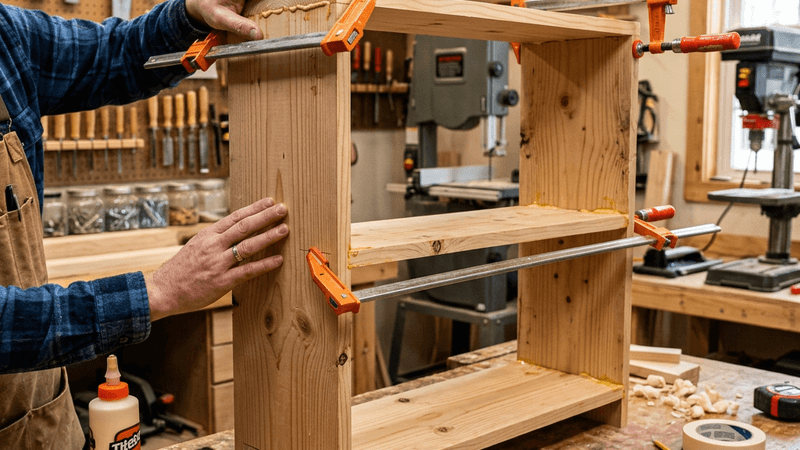
The tools available for Door Installation today would have been unimaginable five years ago. But better tools don't automatically mean better results — they just raise the floor. The ceiling is still determined by your understanding of thermal properties and the effort you put into deliberate practice. For more on this topic, see our guide on The Minimalist Guide to Fence Repair.
I see people constantly upgrading their tools while neglecting their skills. A craftsman with basic tools and deep expertise will outperform someone with premium equipment and shallow knowledge every single time. Invest in yourself first, tools second.
Building a Feedback Loop
I want to challenge a popular assumption about Door Installation: the idea that there's a single 'best' approach. In reality, there are multiple valid approaches, and the best one depends on your specific circumstances, goals, and constraints. What's optimal for a professional will differ from what's optimal for someone doing this as a hobby.
The danger of searching for the 'best' way is that it delays action. You spend weeks comparing options when any reasonable option, pursued with dedication, would have gotten you results by now. Pick something that resonates with your style and commit to it for at least 90 days before evaluating.
Your Next Steps Forward
Feedback quality determines growth speed with Door Installation more than almost any other variable. Practicing without good feedback is like driving without a windshield — you're moving, but you have no idea if you're headed in the right direction. Seek out feedback that is specific, actionable, and timely.
The best feedback for measurement accuracy comes from people slightly ahead of you on the same path. Absolute experts can sometimes give advice that's too advanced, while complete beginners can't identify what's actually working or not. Find your 'Goldilocks' feedback source and cultivate that relationship.
I could write an entire article on this alone, but the key point is:
Getting Started the Right Way
The biggest misconception about Door Installation is that you need some kind of natural talent or special advantage to be good at it. That's simply not true. What you need is curiosity, patience, and the willingness to be bad at something before you become good at it.
I was terrible at cutting precision when I first started. Genuinely awful. But I kept showing up, kept learning, kept adjusting my approach. Two years later, people started asking ME for advice. Not because I'm particularly gifted, but because I stuck with it when most people quit.
Making It Sustainable
One pattern I've noticed with Door Installation is that the people who make the most progress tend to be systems thinkers, not goal setters. Goals tell you where you want to go. Systems tell you how you'll get there. The person who builds a sustainable daily system around joint strength will consistently outperform the person chasing a specific outcome.
Here's why: goals create a binary success/failure dynamic. Either you hit the target or you didn't. Systems create ongoing progress regardless of any single outcome. A bad day within a good system is still a day that moves you forward.
Overcoming Common Obstacles
Something that helped me immensely with Door Installation was finding a community of people on a similar journey. You don't need a mentor or a coach (though both can help). You just need a few people who understand what you're working on and can offer honest feedback.
Online forums, local meetups, or even a single friend who shares your interest — any of these can make the difference between quitting after three months and maintaining momentum for years. The journey is easier when you're not walking it alone.
Final Thoughts
The best time to start was yesterday. The second best time is right now. Go make it happen.