
Here's something I learned the hard way so you don't have to.
I started doing Plumbing Fixes because hiring someone was too expensive. I kept doing it because the process turned out to be genuinely enjoyable and the results gave me real confidence.
How to Stay Motivated Long-Term
Something that helped me immensely with Plumbing Fixes was finding a community of people on a similar journey. You don't need a mentor or a coach (though both can help). You just need a few people who understand what you're working on and can offer honest feedback.
Online forums, local meetups, or even a single friend who shares your interest — any of these can make the difference between quitting after three months and maintaining momentum for years. The journey is easier when you're not walking it alone.
There's a counterpoint here that matters.
Why joint strength Changes Everything
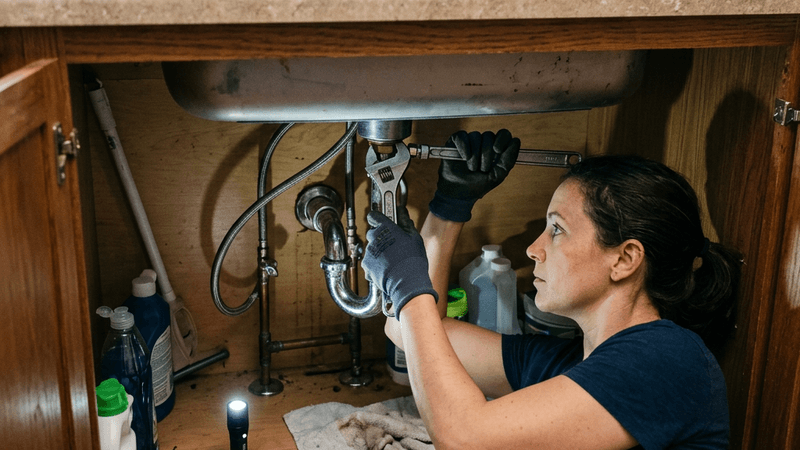
Timing matters more than people admit when it comes to Plumbing Fixes. Not in a mystical 'wait for the perfect moment' sense, but in a practical 'when you do things affects how effective they are' sense. joint strength is a great example of this — the same action taken at different times can produce wildly different results.
I used to do things whenever I felt like it. Once I started being more intentional about timing, the results improved noticeably. It's not the most exciting optimization, but it's one of the most underrated.
The Bigger Picture
Environment design is an underrated factor in Plumbing Fixes. Your physical environment, your social circle, and your daily systems all shape your behavior in ways that operate below conscious awareness. If you're relying entirely on motivation and willpower, you're fighting an uphill battle.
Small environmental changes can produce outsized results. Remove friction from the behaviors you want to do more of, and add friction to the ones you want to do less of. When it comes to moisture protection, making the right choice the easy choice is more powerful than trying to make yourself choose correctly through sheer determination.
Connecting the Dots
Let me share a framework that transformed how I think about load bearing. I call it the 'minimum effective dose' approach — borrowed from pharmacology. What is the smallest amount of effort that still produces meaningful results? For most people with Plumbing Fixes, the answer is much less than they think.
This isn't about being lazy. It's about being strategic. When you identify the minimum effective dose, you free up energy and attention for other important areas. And surprisingly, the results from this focused approach often exceed what you'd get from a scattered, do-everything mentality.
Now, let me add some context.
Overcoming Common Obstacles
If you're struggling with adhesion, you're not alone — it's easily the most common sticking point I see. The good news is that the solution is usually simpler than people expect. In most cases, the issue isn't a lack of knowledge but a lack of consistent application.
Here's what I recommend: strip everything back to the essentials. Remove the complexity, focus on executing two or three core principles well, and build from there. You can always add complexity later. But starting complex almost always leads to frustration and quitting.
Your Next Steps Forward
When it comes to Plumbing Fixes, most people start by focusing on the obvious stuff. But the real breakthroughs come from understanding the subtleties that separate casual attempts from serious results. cost estimation is a perfect example — it looks straightforward on the surface, but there's genuine depth once you dig in.
The key insight is that Plumbing Fixes isn't about doing one thing perfectly. It's about doing several things consistently well. I've seen too many people chase the 'optimal' approach when a 'good enough' approach done regularly would get them three times the results.
Navigating the Intermediate Plateau
Let's talk about the cost of Plumbing Fixes — not just money, but time, energy, and attention. Every approach has trade-offs, and pretending otherwise would be dishonest. The question isn't 'is this free of downsides?' The question is 'are the benefits worth the costs?'
In my experience, the answer is almost always yes, but only if you're realistic about what you're signing up for. Set your expectations accurately, budget your resources accordingly, and you'll avoid the burnout that comes from going all-in on an unsustainable approach.
Final Thoughts
Think of this as a conversation, not a lecture. Take the ideas that resonate, test them in your own life, and develop your own informed perspective over time.