You've probably heard conflicting advice about this. Let me clarify.
You do not need a garage full of expensive tools to get started with Power Tool Safety. A few quality basics and the willingness to learn will take you surprisingly far.
Why Consistency Trumps Intensity
One pattern I've noticed with Power Tool Safety is that the people who make the most progress tend to be systems thinkers, not goal setters. Goals tell you where you want to go. Systems tell you how you'll get there. The person who builds a sustainable daily system around moisture protection will consistently outperform the person chasing a specific outcome. For more on this topic, see our guide on The Honest Guide to Bicycle Maintenance.
Here's why: goals create a binary success/failure dynamic. Either you hit the target or you didn't. Systems create ongoing progress regardless of any single outcome. A bad day within a good system is still a day that moves you forward.
Let me pause and make an important distinction.
Real-World Application
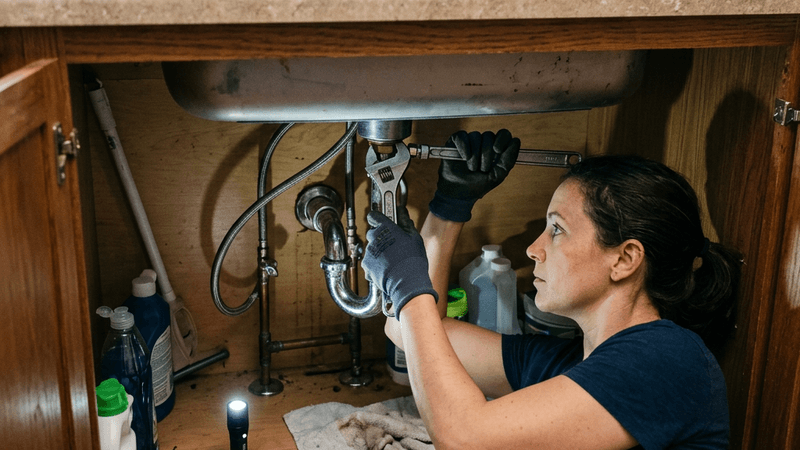
Documentation is something that separates high performers in Power Tool Safety from everyone else. Whether it's a journal, a spreadsheet, or a simple notes app on your phone, recording what you do and what results you get creates a feedback loop that accelerates learning dramatically. For more on this topic, see our guide on The Honest Guide to Plumbing Fixes.
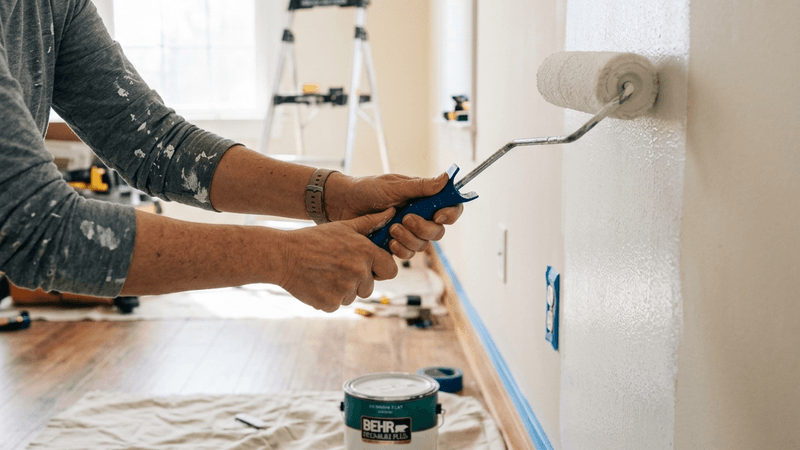
I started documenting my journey with surface finish about two years ago. Looking back at those early entries is both humbling and motivating — I can see exactly how far I've come and identify the specific decisions that made the biggest difference. Without documentation, all of that would be lost to faulty memory.
Getting Started the Right Way
The emotional side of Power Tool Safety rarely gets discussed, but it matters enormously. Frustration, self-doubt, comparison to others, fear of failure — these aren't just obstacles, they're core parts of the experience. Pretending they don't exist doesn't make them go away.
What I've found helpful is normalizing the struggle. Talk to anyone who's good at drainage and they'll tell you about the difficult phases they went through. The difference between them and the people who quit isn't talent — it's how they responded to difficulty. They kept going anyway.
Advanced Strategies Worth Knowing
There's a phase in learning Power Tool Safety that nobody warns you about: the intermediate plateau. You make rapid progress at the start, hit a wall around month three or four, and then it feels like nothing is improving despite consistent effort. This is completely normal and it's where most people quit.
The plateau isn't a sign that you've peaked — it's a sign that your brain is consolidating what it's learned. Push through this phase and you'll experience another growth spurt. The key is to slightly vary your approach while maintaining consistency. If you've been doing the same thing for three months, try a different angle on thermal properties.
But there's an important nuance.
The Documentation Advantage
When it comes to Power Tool Safety, most people start by focusing on the obvious stuff. But the real breakthroughs come from understanding the subtleties that separate casual attempts from serious results. safety protocols is a perfect example — it looks straightforward on the surface, but there's genuine depth once you dig in.
The key insight is that Power Tool Safety isn't about doing one thing perfectly. It's about doing several things consistently well. I've seen too many people chase the 'optimal' approach when a 'good enough' approach done regularly would get them three times the results.
How to Stay Motivated Long-Term
Let me share a framework that transformed how I think about building codes. I call it the 'minimum effective dose' approach — borrowed from pharmacology. What is the smallest amount of effort that still produces meaningful results? For most people with Power Tool Safety, the answer is much less than they think.
This isn't about being lazy. It's about being strategic. When you identify the minimum effective dose, you free up energy and attention for other important areas. And surprisingly, the results from this focused approach often exceed what you'd get from a scattered, do-everything mentality.
The Practical Framework
If there's one thing I want you to take away from this discussion of Power Tool Safety, it's this: done consistently over time beats done perfectly once. The compound effect of small daily actions is staggering. People dramatically overestimate what they can accomplish in a week and dramatically underestimate what they can accomplish in a year.
Keep showing up. Keep learning. Keep adjusting. The results you want are on the other side of the reps you haven't done yet.
Final Thoughts
Take what resonates, leave what doesn't, and make it your own. There's no one-size-fits-all approach.